






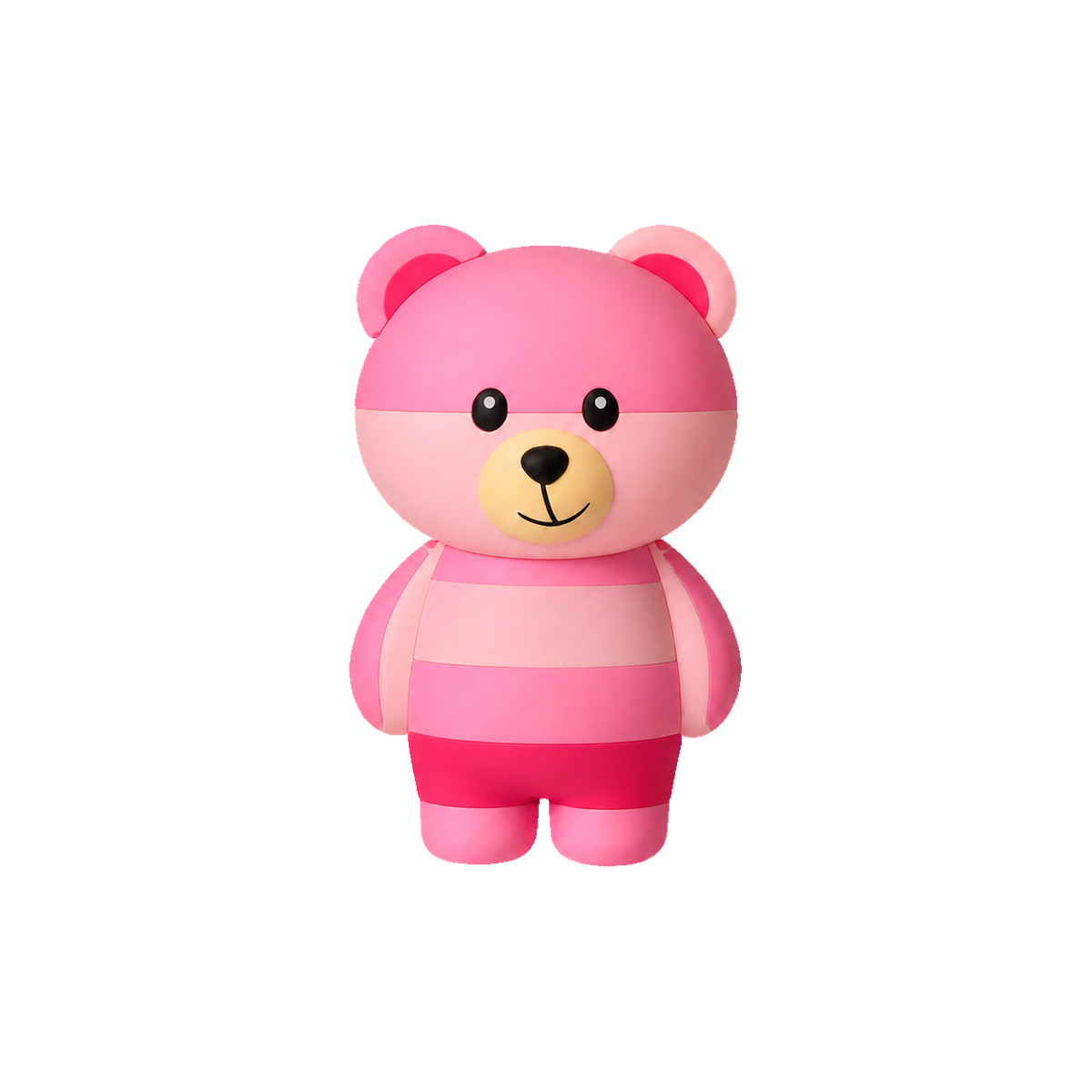
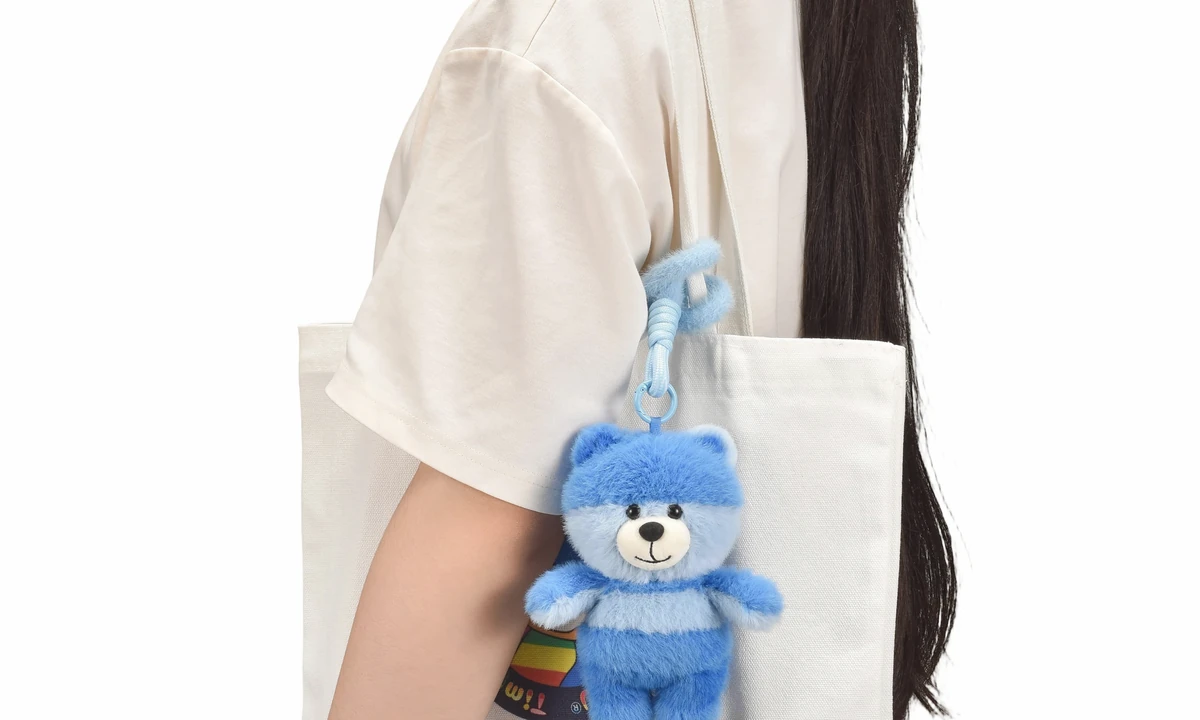
 A day with Timy along.
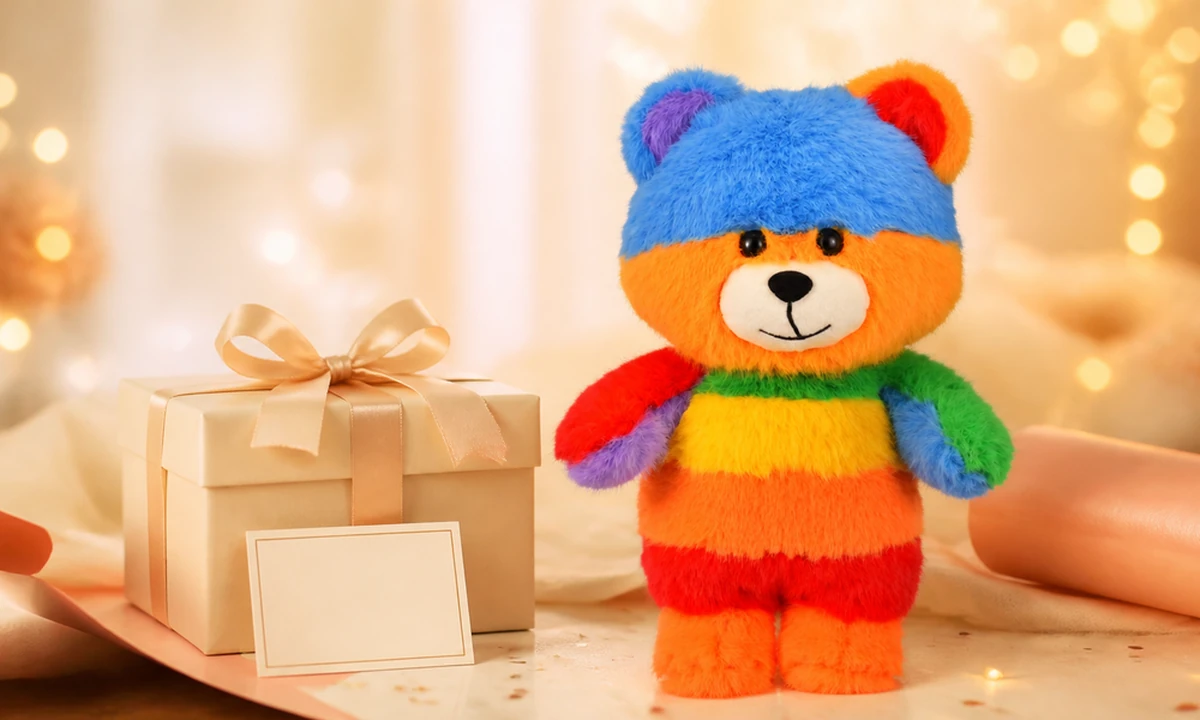 A favorite, just for you.
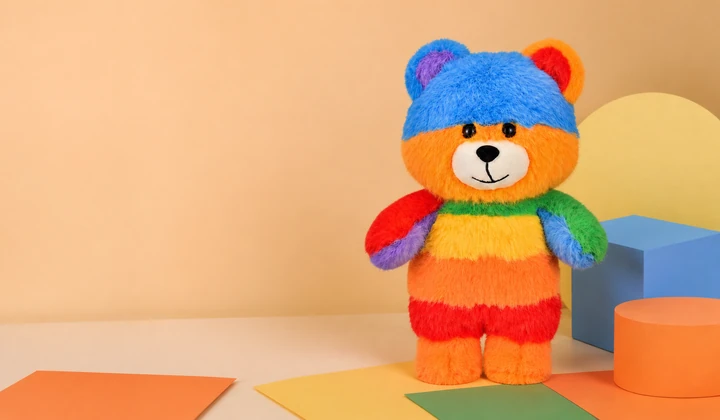
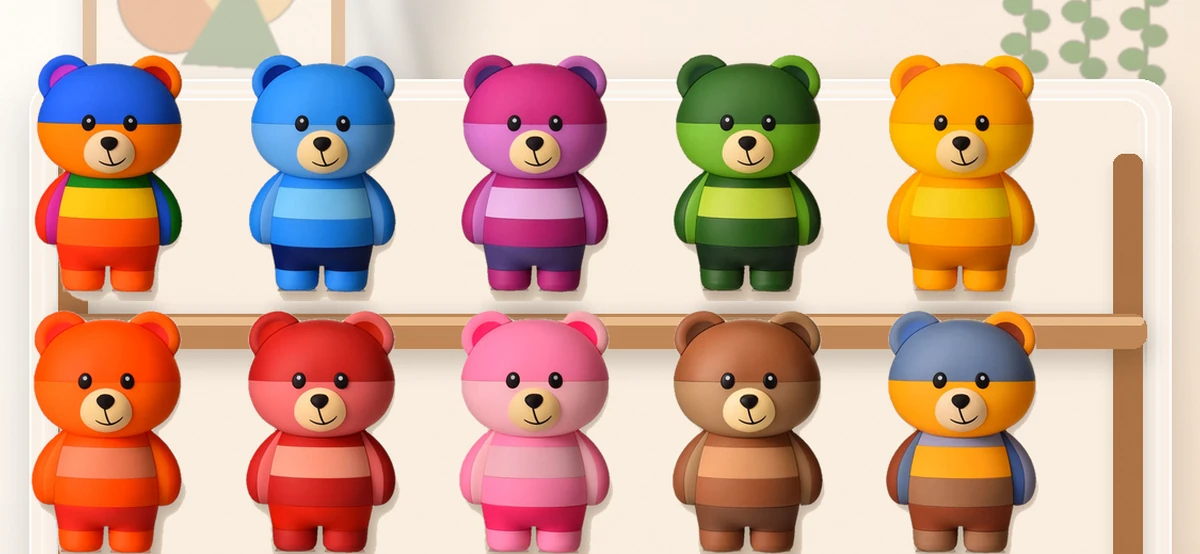
TIMYBEAR / CHARACTER LICENSING
Let Timy enter new places,
and still look like Timy.
Would you like Timy to appear in your product, content, or event? Start with a favourite character, then discuss how, where, and for how long you would like to use it.
- 10
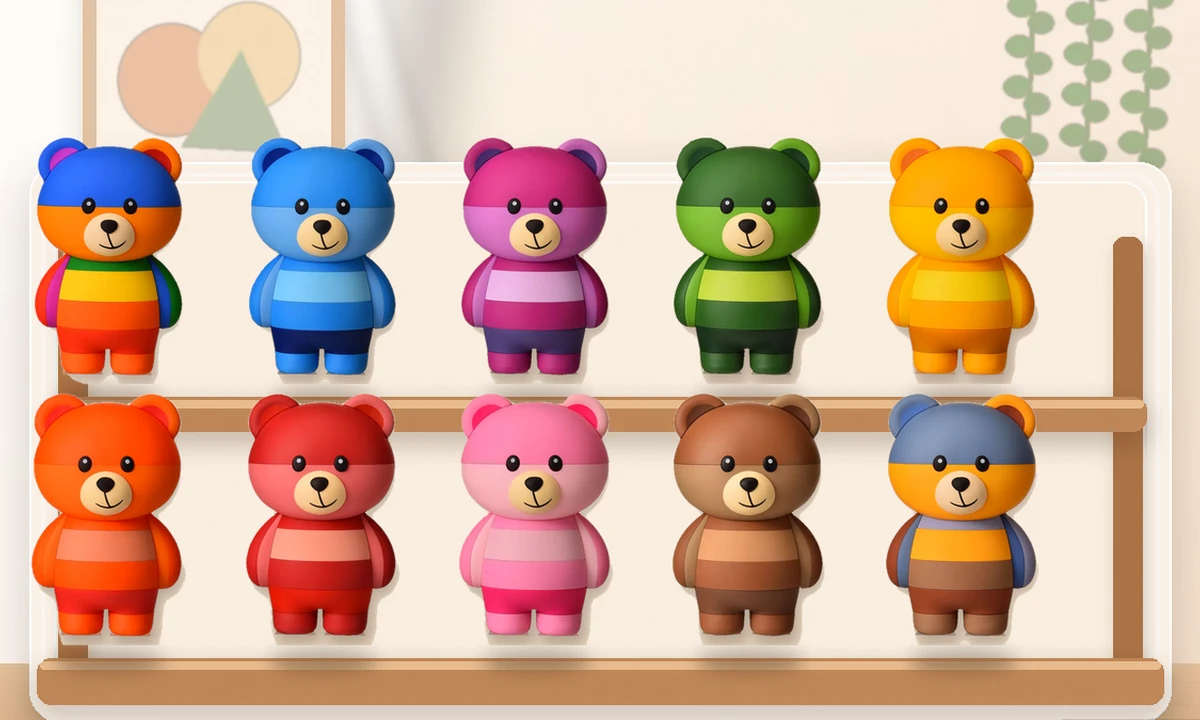
- Timy family members
- 08
- scope details
- 01
- project discussion to begin

00 / CHARACTER INTEGRITY
Round ears, a little smile,
and a colour of their own.
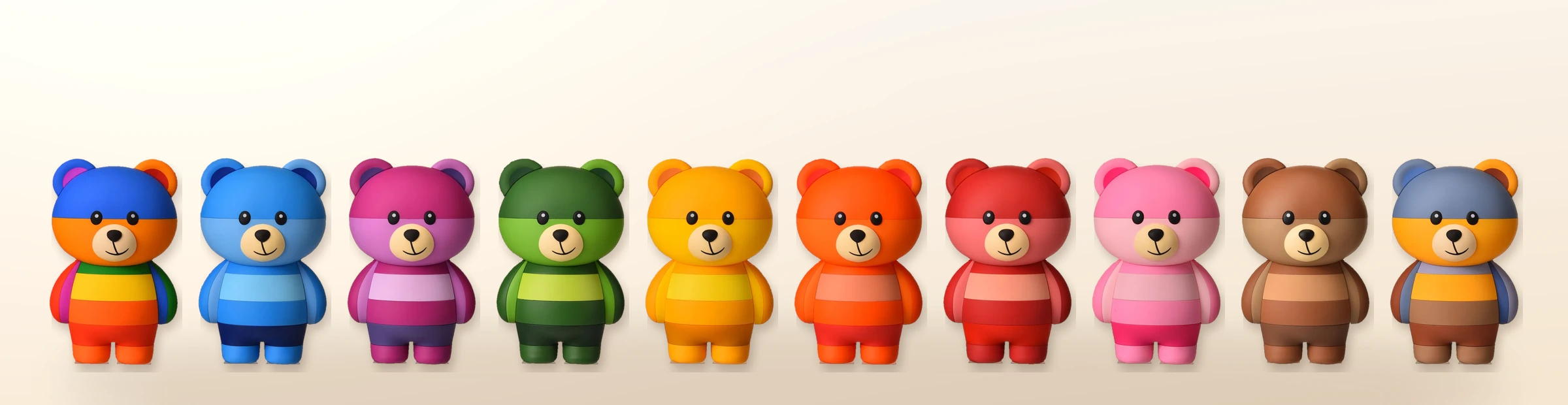
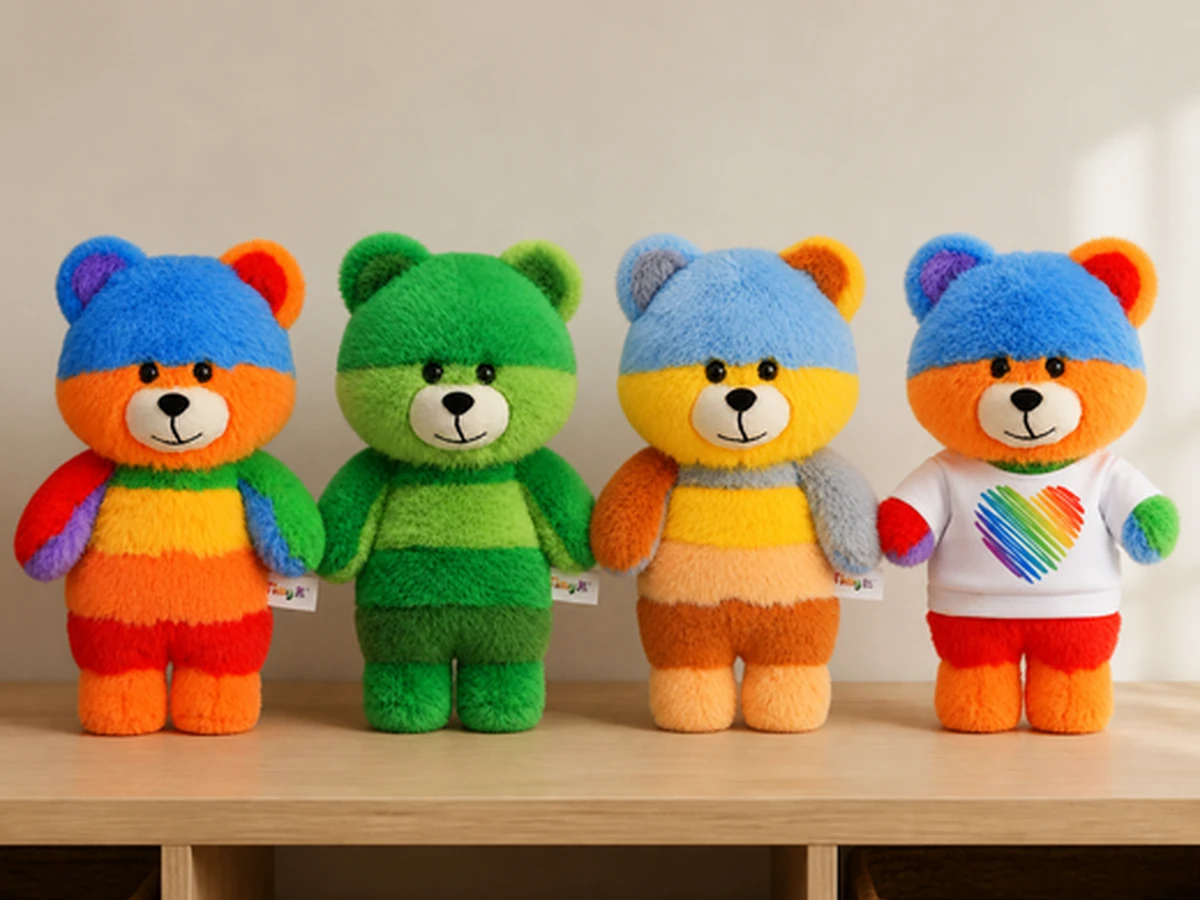
Each of the ten Timy characters has a name and personality. In new products and stories, their familiar appearance should stay recognisable to the people who love them.
01 / CHARACTER ASSET ATLAS
Choose a Timy first,
then find a suitable medium for it.
Meet the character you like, then tell us about the product, content, or event you have in mind.
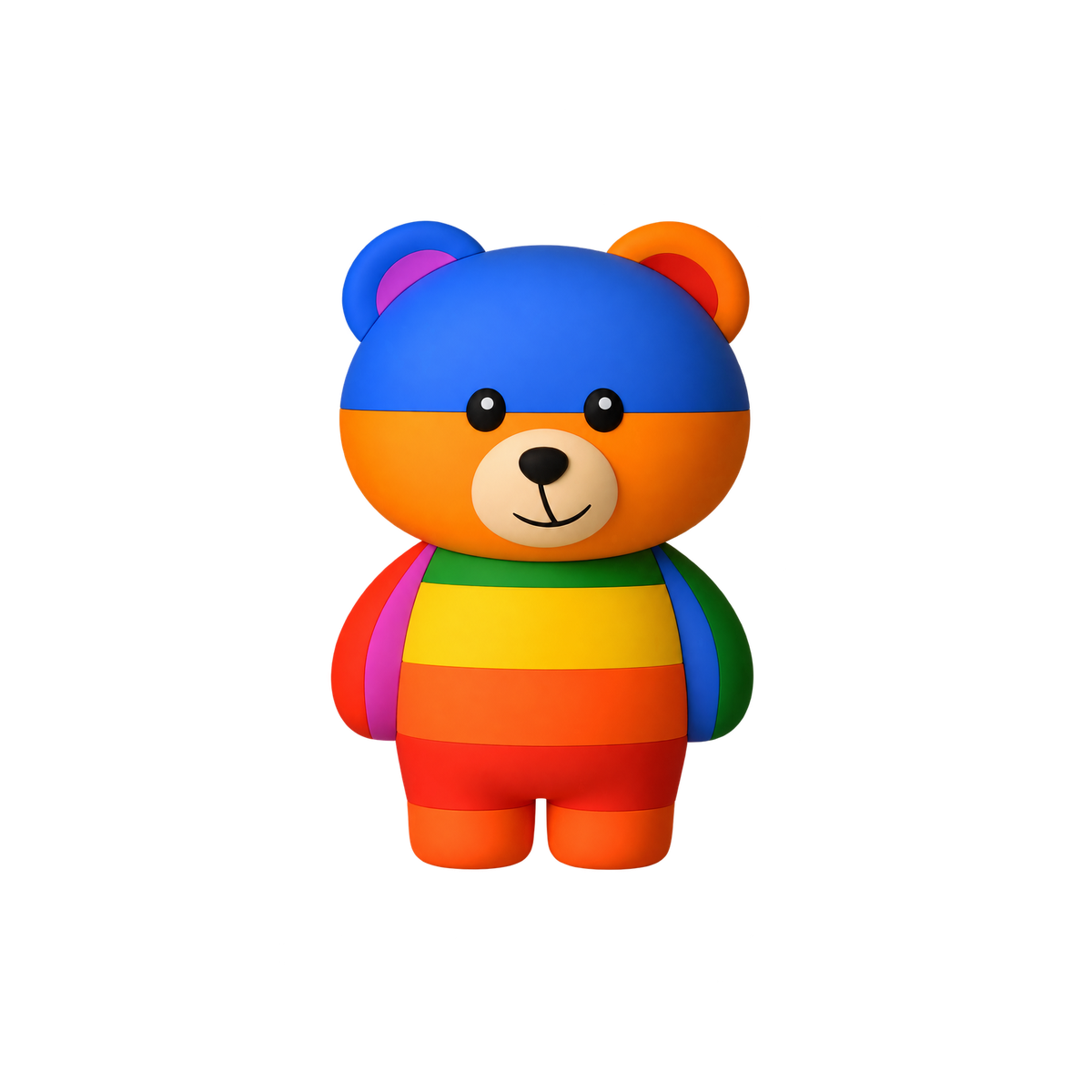
01 / 10
Dopamine
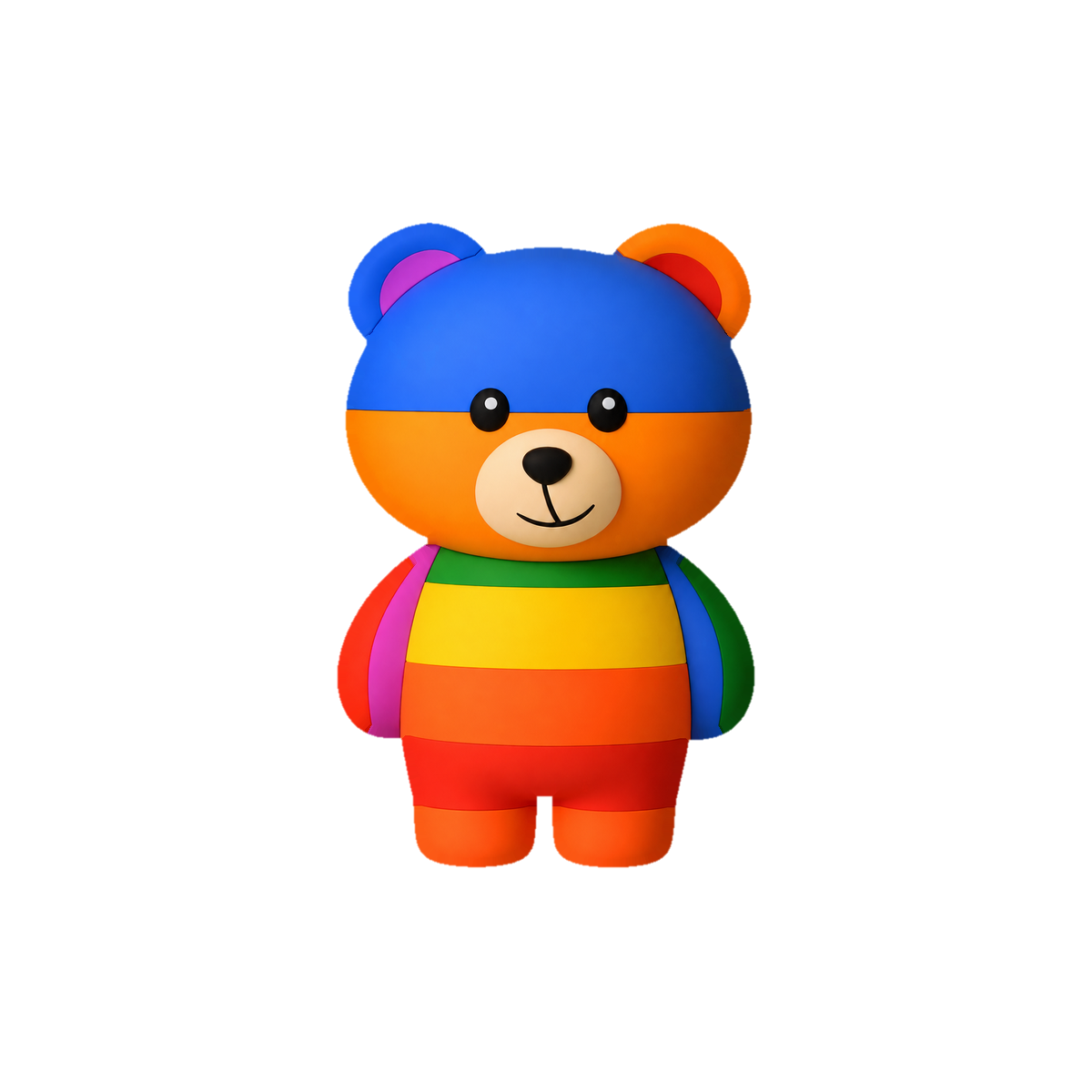
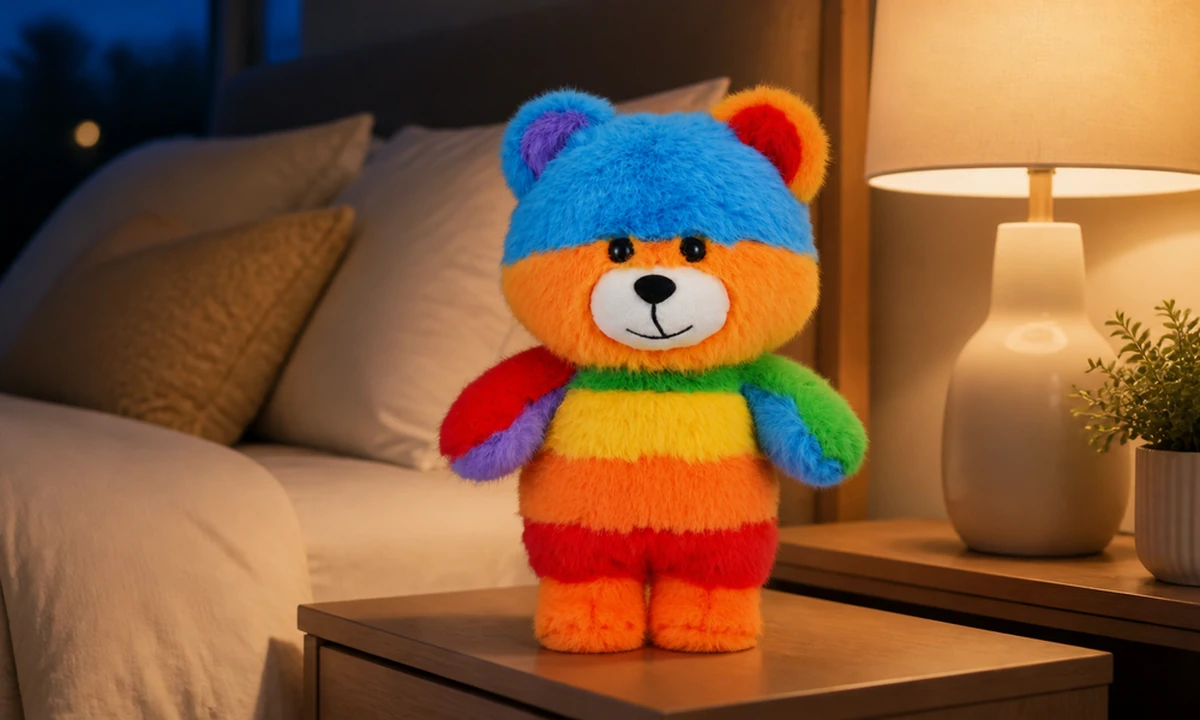
DOPAMINEDopamine’s bright rainbow colours are easy to recognise. New applications need to retain the rainbow bands and contrasting ears.
- Character identity
- Round ears, orange face, rainbow body
- Check first
- Color-band order, contrasting ears, facial placement
- Discussion direction
- Share the character and intended scope to begin a project-fit discussion
02 / SCOPE OF USE
Before use,
agree these scope details.
The character, where it will appear, duration, and any adaptations need to be agreed in licensing discussions. These details can help you prepare your first enquiry.
- 01Character subject
Which character, poses, and asset versions are involved
- 02Medium placement
Product, package, content, space, or digital interface
- 03Category purpose
State the specific item or activity rather than relying on broad labels
- 04Territory & channel
Which regions, platforms, and sales paths may show the work
- 05Term of use
Start, end, sell-through, and cessation of use
- 06Exclusivity relation
Whether it is exclusive, and the boundary of that exclusivity
- 07Adaptation boundary
How much color, proportion, clothing, text, and combinations may change
- 08Review points
How design, samples, production, and launch are each reviewed
03 / CONSULTABLE DIRECTIONS
Start with your project,
and explore where a character could fit.
Food and beverage, apparel and accessories, stationery and office, home and gifting, digital content, and cultural activities can all open a discussion. The specific approach is determined by the project’s goals, responsibilities, and review conditions.
Food & beverage
First clarify the contact context, packaging placement, term of use, and compliance responsibilities.
Apparel & accessories
First clarify character proportions, print or embroidery method, color variation, and care information.
Stationery & office
First clarify repeated graphics, crop boundaries, and recognition at different sizes.
Home & gifting
First clarify the product material, use placement, and whether packaging falls within the intended scope.
Digital & content
First clarify animated adaptation, platform, territory, time, and secondary distribution.
Culture & events
First clarify the venue, materials, on-site use, and handling after the activity ends.
04 / KEEP THE CHARACTER INTACT
Help people who love Timy
recognise it at a glance.
These examples use one character to show boundaries around color, proportion, obstruction, and placement, helping design teams recognize risks before formal production.
05 / APPLICATION TESTS
These imagined encounters
can be a starting point.
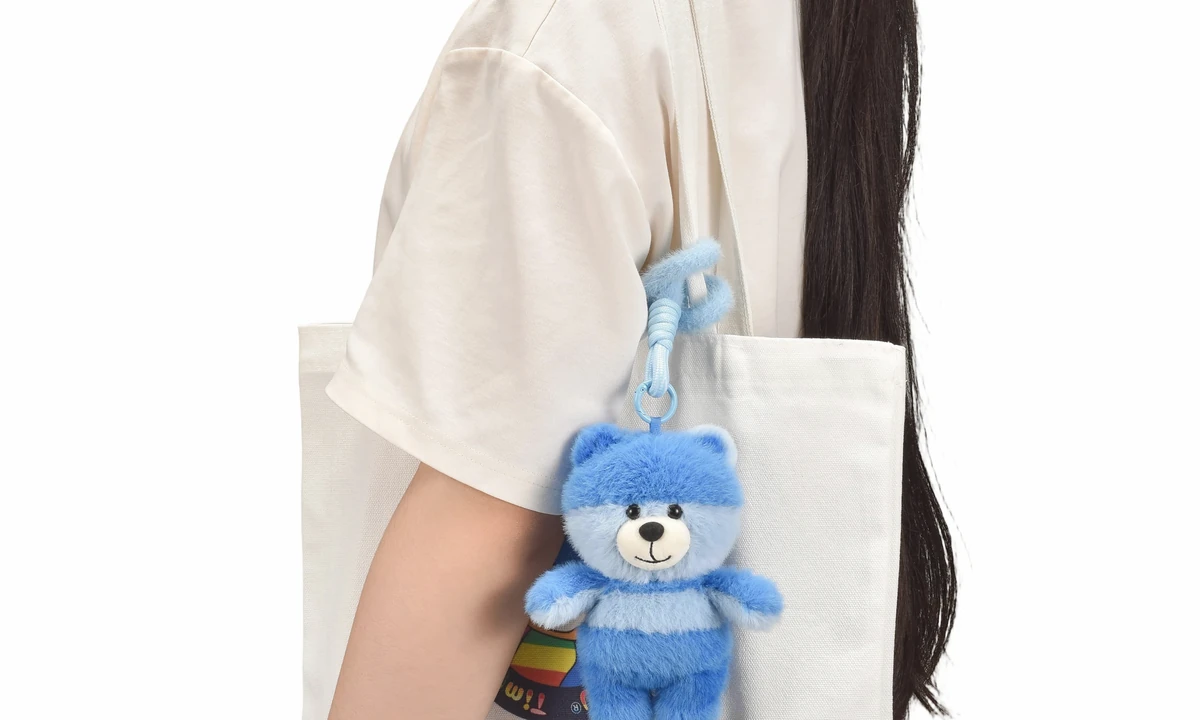
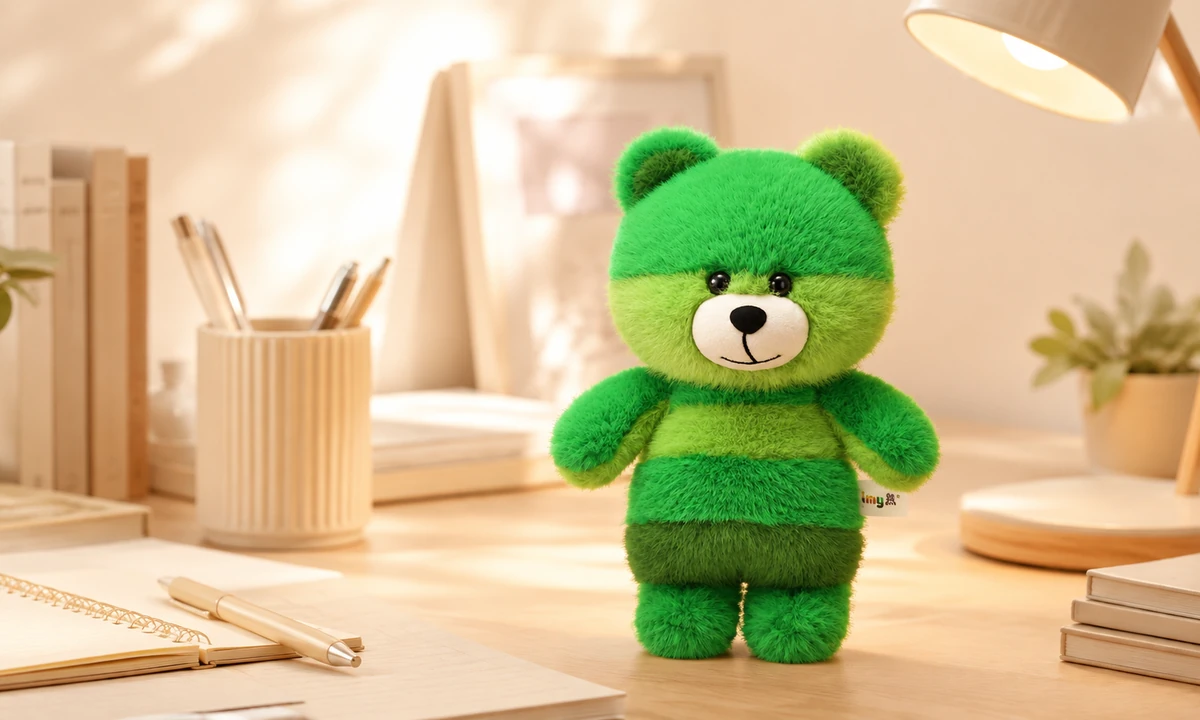
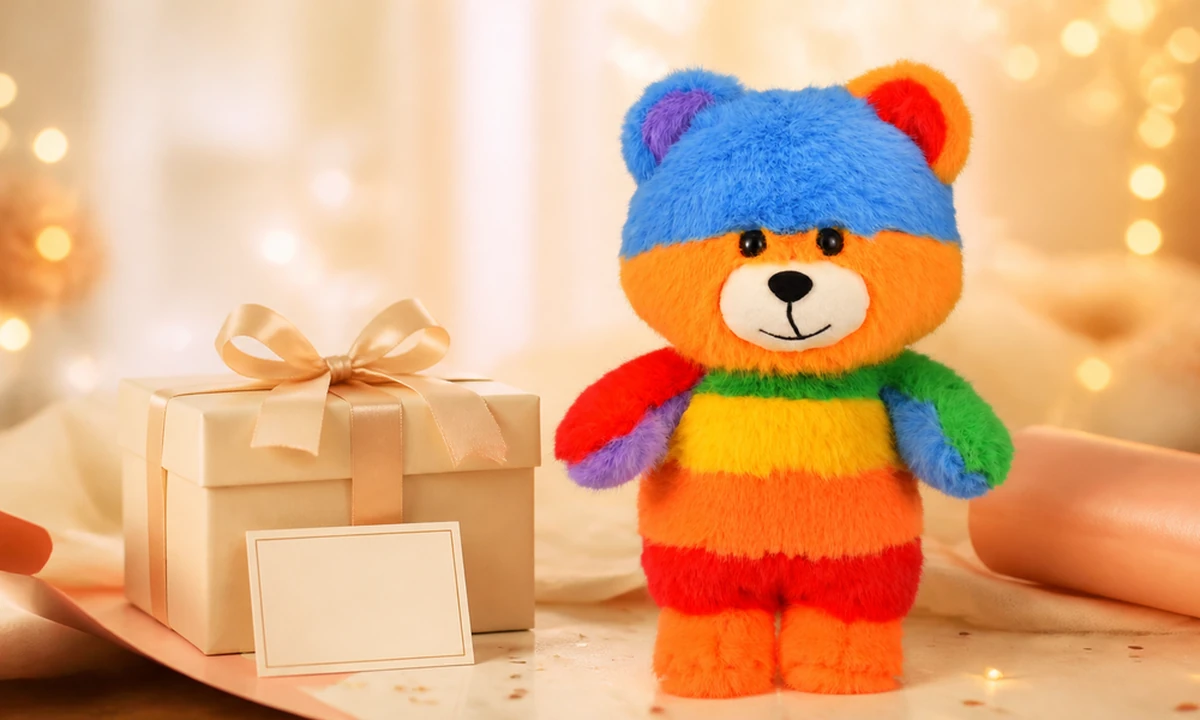
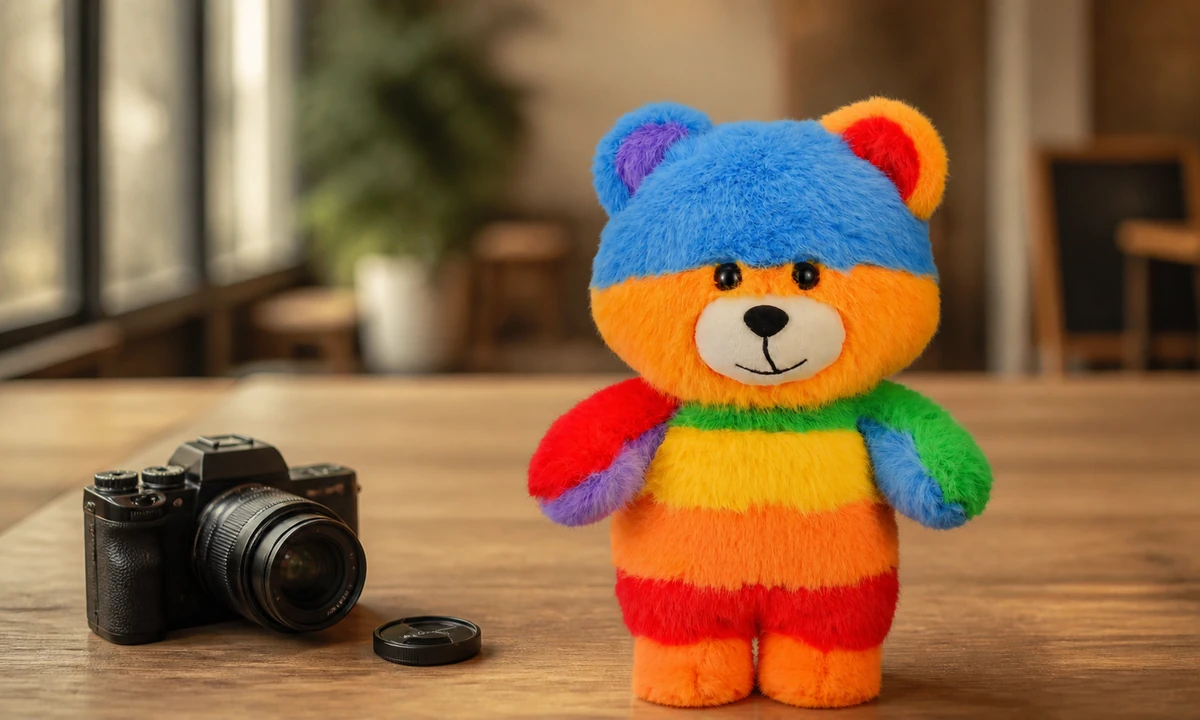
These scene concepts show possible uses in everyday carry, desks, gifts, and content. Applications and permission to use the characters need project-specific agreement.
06 / SUGGESTED WORKFLOW
Write the scope clearly,
so design has room to move.
This is a suggested sequence for discussion; timing, review points, and quotation are confirmed by project.
- 01Share the brief
Subject, category, territory, timing, and goal
- 02Assess fit
Understand the project goals and explore suitable characters and uses
- 03Confirm scope
Agree characters, permitted uses, territory, duration, and fees
- 04Design and sampling
Submit key points for review without exceeding the agreed scope
- 05Launch and close
Confirm communication, sell-through, and cessation of use
07 / LICENSE BRIEF
Write the character, medium, and timing
into a licensing brief.
Organize the subject of use, medium, territory, channel, term, and adaptation needs first, so a later conversation can move quickly into character fit and review priorities.
- Which character you hope to use
- Where the product or medium will appear
- Territory, channel, and term of use
- Which character details you expect to change
- Who is responsible for production and review

08 / KEEP THE CHARACTER RECOGNIZABLE
Let Timy enter a new product world,
and still be recognized at a glance.
Ask about character licensingIP licensing enquiry
Start with how you plan to use the characters.
Tell us the character, medium, category, territory and timing you are considering. Confirmed details can come first; mark the rest as “to be discussed”.
- Characters and intended content format
- Category, medium, territory and channels
- Target launch and licence term
For business enquiries, use the phone number or email below.
张经理13681617617contactus@timybear.comWe will first review the direction and scope. Pricing, timing and formal licensing are confirmed separately in writing.